 Login
Login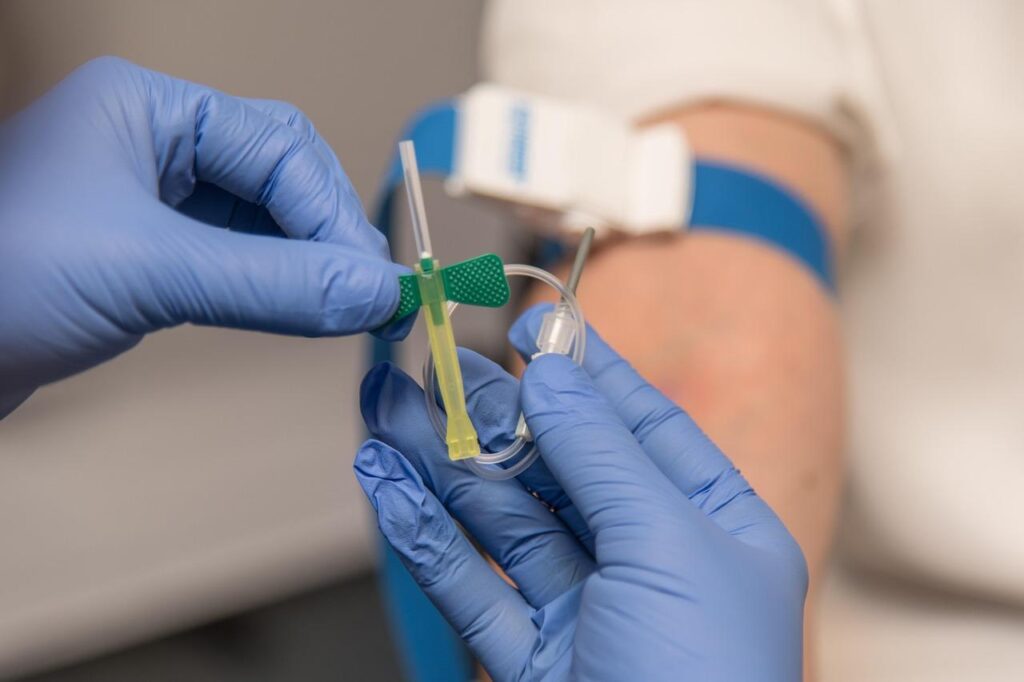
If you’ve been considering a job in healthcare but the thought of going to school for 4+ years isn’t your thing, here’s something to look into: phlebotomy.
It’s not exactly a word people use every day, but it plays a huge role in medical care. Phlebotomists are the people who draw blood—for tests, donations, transfusions, research, etc. It might look simple on the surface, but doing it right takes a steady hand, a calm attitude, and good people skills. There’s a real demand for it.
Why phlebotomy could be a smart, solid career path.
1. Jobs Are Everywhere Right Now
There’s no shortage of openings. In fact, according to the U.S. Bureau of Labor Statistics, phlebotomy jobs are expected to grow about 8% through 2033. That’s faster than a lot of other jobs out there. Hospitals, clinics, labs, blood drives—you name it. These places all need trained people who can handle blood collection properly.
And with more people needing tests and treatments, the demand isn’t slowing down anytime soon.
2. You Don’t Need a 4-Year Degree
This is one of the best parts. Most training programs take less than a year—some as short as 4 months. A lot of them include hands-on practice too, so you’re not just learning from books.
If you’re trying to change careers, or just want to get working fast, this route makes a lot of sense. Once you finish the training and get certified, you can start working pretty quickly.
3. Steady Pay & Benefits
For a job you can train for in under a year, the pay is decent. The average salary in the U.S. is around $40,000 a year. Depending on where you live or work, and how much experience you’ve got, that number can go up.
Plus, a lot of full-time roles come with benefits—health insurance, paid time off, and retirement. Not bad for a job that doesn’t require student loans or years in school.
4. Room to Grow
Phlebotomy doesn’t have to be the end goal. Many people start here and move into other roles in healthcare—like medical assistants, lab techs, or even nursing.
Working as a phlebotomist gives you real-life experience with patients, medical terms, and how a clinic or hospital works. All of that makes it easier to take the next step, if and when you want to.
5. It Actually Feels Meaningful
A lot of people don’t think about this part, but it’s a big deal: you’re helping people. For someone who’s nervous about getting blood drawn, your calm and friendly attitude might be what gets them through it.
You’re also part of the process that helps diagnose and treat patients. You might not be the doctor, but without you, the doctor wouldn’t have the test results they need.
6. You’ve Got Options
Phlebotomists don’t just work in hospitals. You can find jobs in labs, outpatient clinics, mobile blood drives, public health departments, and even home health care. That means you’ve got some flexibility to find a setting that fits your lifestyle or work style better.
Could Phlebotomy Be Right for You?
If you’re someone who’s careful, likes helping others, and wants a foot in the door in healthcare—without spending years in school—this might be a great fit. There’s job security, upward mobility, and a real sense of purpose.
Ready to Take the First Step?
Check out an accredited training program near you—some might even be available online or offer evening classes. A stable, rewarding career in healthcare could be closer than you think. CDE Career Institute offers accredited phlebotomy training programs designed to fit your schedule and set you up for success. Take the first step toward a secure and fulfilling career in healthcare today.